
Troubleshooting & Maintenance
Why Heat Trace Systems Fail When You Need Them Most
Sep
A heat trace system can seem fine for months. Then the first cold snap arrives, a line freezes, and the team discovers that a circuit was damaged, a thermostat was not working, or insulation was missing after a repair.
For maintenance and operations teams, the challenge is that many heat trace problems give little warning during warm weather. A panel may have power, but that alone does not confirm that every circuit will protect its line when temperatures fall.
Where problems tend to hide
Heat tracing depends on more than heating cable. Power connections, terminations, sensors, controls, and thermal insulation all must work together. Common trouble spots include:
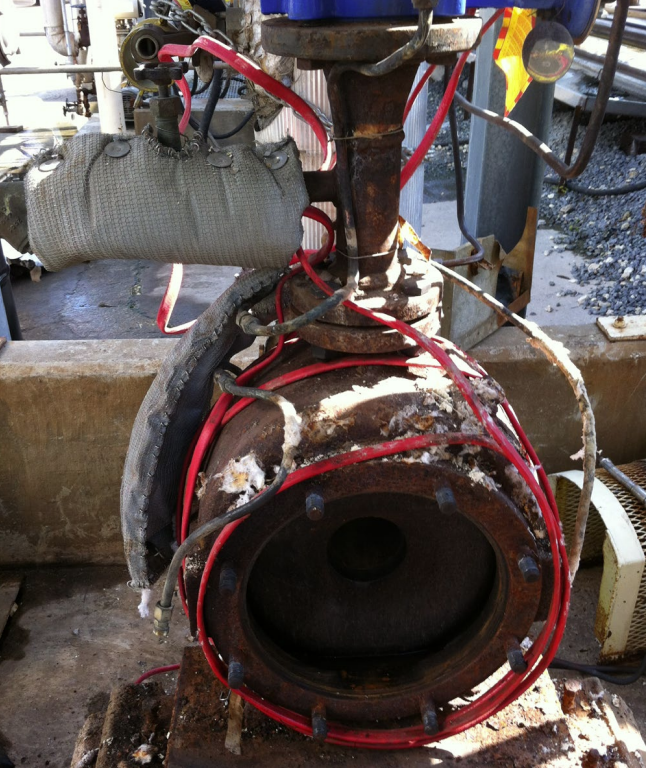
- Damaged or aging cable: Work on nearby piping or equipment can damage a cable without anyone noticing.
- Failed controls or sensors: An incorrect setpoint or faulty component can leave a circuit off when it is needed.
- Wet, damaged, or missing insulation: Even a working cable may struggle to maintain temperature if the pipe is losing more heat than the system was designed to replace.
- Poor connections or terminations: A problem at a junction box, splice, or end termination can interrupt a circuit or cause it to trip.
- Undocumented changes: A valve replacement, pipe modification, or insulation repair may change the system without making it into the drawings or maintenance records.
These issues are easier to address on a planned schedule than during a freeze event, when crews, materials, and access may all be harder to secure.
Start with the lines that matter most
An audit does not have to treat every circuit as equally urgent. Start by asking: Which lines, tanks, instruments, or areas would create the biggest problem if they froze this winter?
Consider both the likelihood of freezing and the consequence. A small instrument line that affects a critical operation may deserve attention before a larger line with little process impact.
Areas with a history of failures, recent maintenance, exposed insulation, or incomplete records should also move up the list.
What a pre-winter audit can reveal
A useful audit goes beyond checking whether a panel is energized. Depending on the system and site requirements, it may include:
- Reviewing circuit records
- Inspecting insulation and connection points
- Checking controls and setpoints
- Testing circuits
The findings should lead to a prioritized repair list so your team knows what needs attention before cold weather arrives.
The goal is straightforward: find problems while there is still time to plan the work. A scheduled inspection and repair may help avoid the much greater cost of a frozen line, interrupted process, or emergency response.
How WilsherCo Can Help:
Do you know which heat trace circuits your operation is counting on this winter? WilsherCo can help assess your system, identify trouble spots, and prioritize repairs based on freeze risk and process impact.
Give us a call to help with a Heat Trace troubleshoot,
or to request a full pre-winter heat trace audit.