Industrial Process Heating and Temperature Maintenance for Heat Tracing, Tank, and Vessel Applications

When a viscous fluid cools below its handling temperature in a process line, the failure mode is rarely a slow degradation. The line stops moving. The pump cavitates. The product solidifies. The unit comes down. Restart can take hours or days, depending on the fluid and the failure point.

Process Temperature Maintenance is the engineering discipline that prevents that failure mode. It is different from freeze protection (which keeps water from freezing) and different from generic heat tracing (which is the underlying technology). Process Temperature Maintenance solves a specific problem: holding a process line, tank, or vessel at a specified elevated temperature for product quality and process operability reasons.

We design, install, and maintain electric process heating systems for chemical plants, refineries, food processing facilities, and other industrial sites where temperature stability is a production requirement, not just a freeze prevention measure.
What Process Temperature Maintenance Actually Is (and Why It Is Different from Freeze Protection)

Freeze protection has a single design target: keep the pipe contents, usually water, above freezing. The math is straightforward (what wattage per foot is needed to overcome heat loss at the lowest expected ambient temperature, with a design margin), and the cable choice is usually self-regulating because the maintain temperature is forgiving.

Process Temperature Maintenance has a different design target. The maintain temperature is set by the fluid, not by the freeze point. Some examples:

Heavy crude oil

Typical maintain temperature 140 to 180 degrees Fahrenheit to keep viscosity within pumping limits.

Asphalt

Maintain temperature 250 to 350 degrees Fahrenheit depending on grade.

Sulfur

Maintain temperature 270 to 290 °F. (the molten range, narrow operating window).

Polymer melts (resin, wax, certain polyethylenes)

150 to 400 degrees Fahrenheit or higher depending on the specific polymer.

Caustic solutions and other chemicals

Specific to the chemical, 80 to 150 degrees Fahrenheit to prevent crystallization or degradation.

Pharmaceutical and food grade lines

Specific to product, often 90 to 180 degrees Fahrenheit with tight tolerances for product quality.

The cable choice changes with the maintain temperature. Self-regulating cable works up to about 300 degrees Fahrenheit maintain. Above that, constant-wattage cable, mineral-insulated cable, or skin-effect heating systems are required. The control strategy changes too: line-voltage thermostats are usually adequate for freeze protection, but RTD-controlled panels with PID control are typically needed for process applications where setpoint accuracy matters.

The Three Process Heating Methods

Process heating systems generally fall into three categories. Choosing among them depends on the maintain temperature, the line geometry, the existing utility infrastructure at the plant, and the project economics.

WilsherCo - Electric Heat Tracing

Electric Heat Tracing

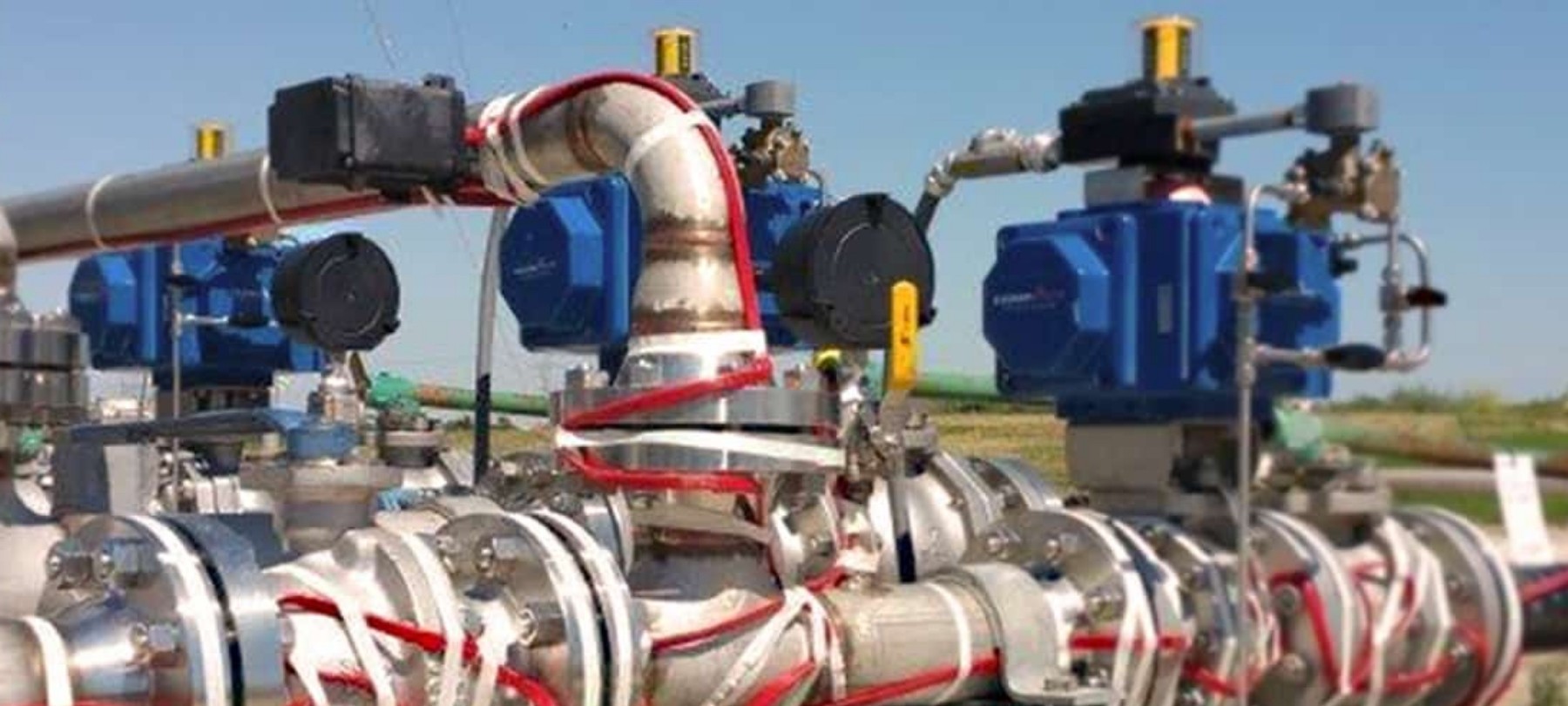
Electric heat tracing uses self-regulating, constant-wattage, mineral-insulated, or skin-effect cable that run in direct contact along the length of a process line under insulation. A controller energizes the cable to maintain the target temperature. Electric heat tracing is the most flexible method. It scales from short runs to long pipelines, supports a wide temperature range, and integrates cleanly with plant DCS and remote monitoring. It is also the easiest to retrofit onto existing piping.

WilsherCo - Steam Tracing

Steam Tracing

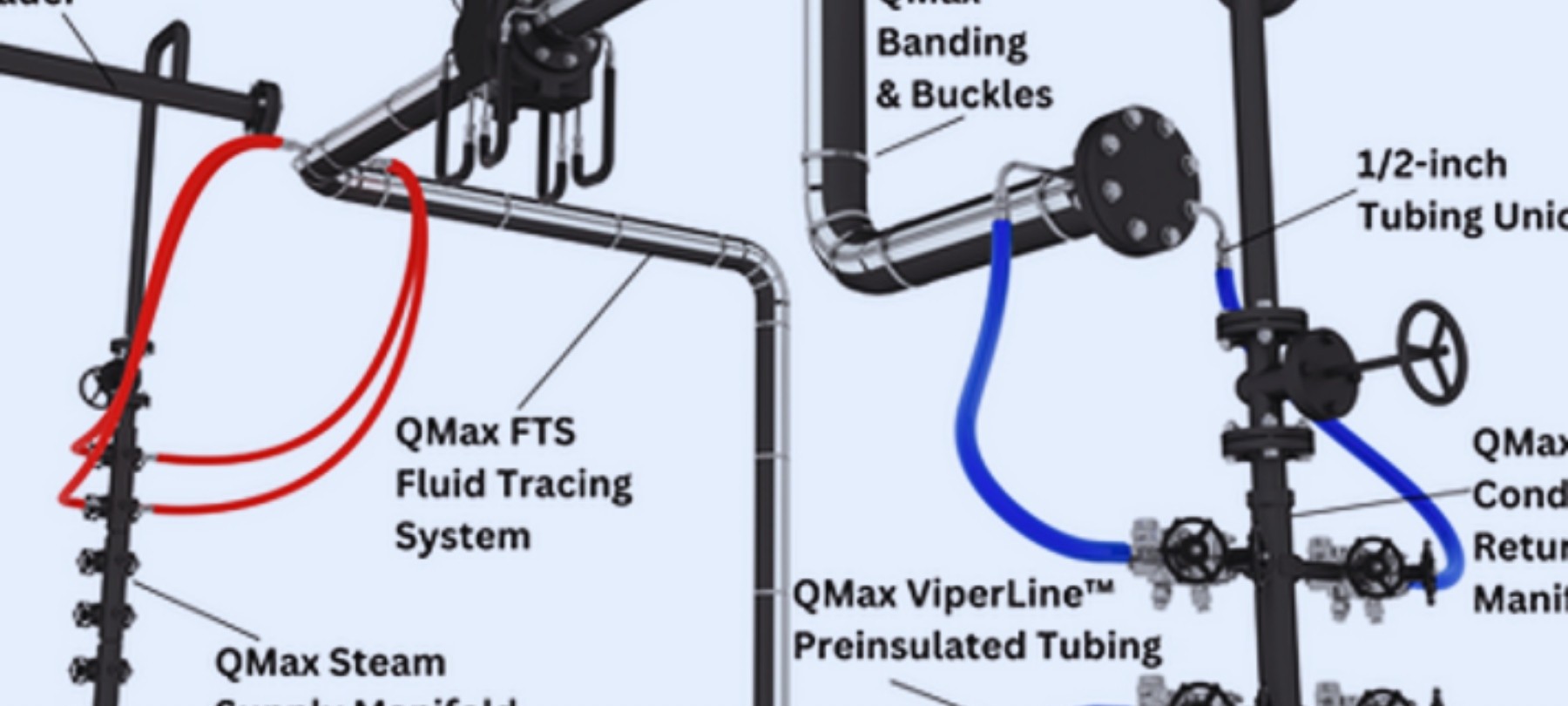
Steam tracing routes plant steam through tracer lines or jackets along the process pipe. The steam transfers heat to the process line through conduction. Steam tracing has been the dominant process heating method in refineries and chemical plants for decades because steam is usually already available as a plant utility. Steam tracing has trade-offs. Steam systems require ongoing maintenance (steam traps fail, condensate lines corrode).

WilsherCo - Direct Heating (Tank, Vessel, and Skid)

Direct Heating (Tank, Vessel, and Skid)

For tanks, vessels, and process skids, direct heating uses immersion heaters, circulation heaters, or in-line heaters to heat the fluid directly rather than maintaining temperature through the pipe wall. Direct heating is appropriate when the fluid needs to be heated to a target temperature, not just maintained.

Process Lines We Heat: Various Chemicals, Sulfur, Heavy Crude, Resins, Wax

The application library on our process heating projects covers the difficult fluids that show up in Gulf Coast refineries, chemical plants, and specialty processors. Heavy crude oil and bitumen lines need to stay above their pour point and well above the viscosity threshold for pumping. Sulfur lines have a narrow operating window where the molten material remains pumpable. Polymer and resin lines need maintain temperatures specific to the polymer; failure to hold temperature can solidify product in the line and require shutdown for cleanout. Wax and asphalt lines typically run at 250 to 350 degrees Fahrenheit. Caustic and acid lines need maintain temperatures depending on concentration and crystallization point. Food and pharmaceutical lines have sanitary requirements, washdown ratings, and tighter temperature control.

For each application, the design work involves heat loss calculations, cable selection, insulation specification, and control strategy. Our team has executed projects across these applications for Gulf Coast clients.

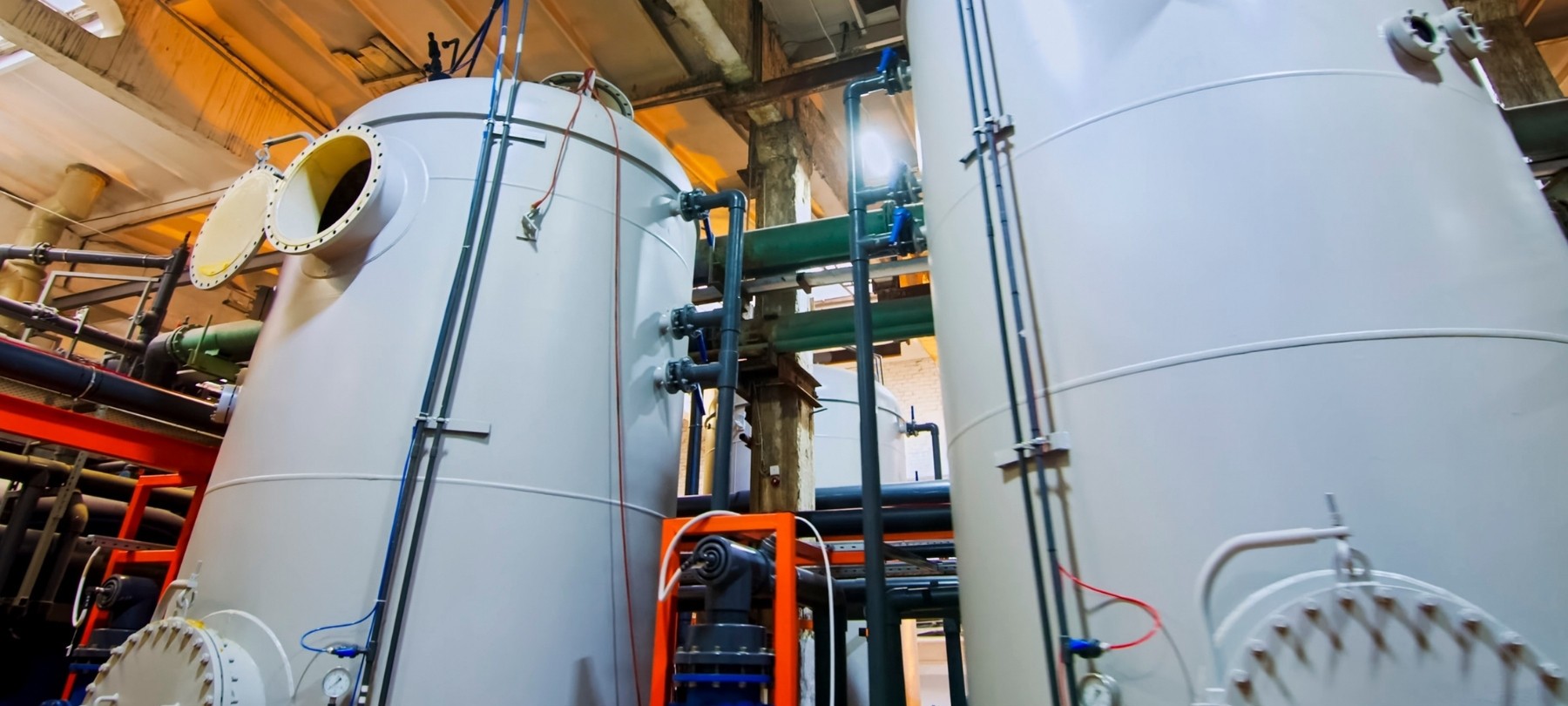
Tank and Vessel Heating Systems

Tanks and vessels heat differently than pipes. The thermal mass is larger, the geometry is more complex, and the heat needs to be distributed evenly to avoid stratification or local hot spots that can damage the contents.

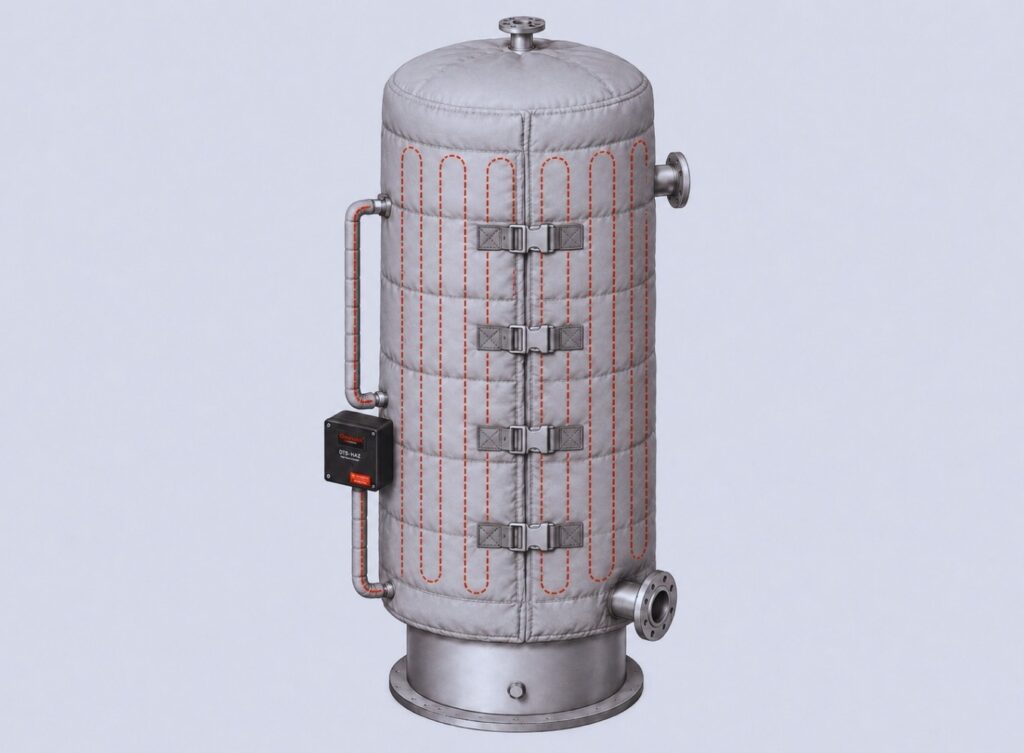
For storage tanks and process vessels, our scope can include tank shell tracing (cable run vertically up the tank shell, under the insulation), tank base heating (electric heating mats below the tank floor for outdoor tanks), vessel jacketing (heat transfer fluid or steam jackets around process vessels), and direct heating (immersion heaters, circulation heaters, or duct heaters for active heating).

The calculation inputs:

  • Maintain temperature target
  • If pipe: diameter, length, material
  • If vessel: diameter, height, standing or laying on its side, material
  • Wind speed for outdoor installations
  • Lowest expected ambient temperature
  • Insulation type and thickness
  • Process flow conditions (continuous flow vs. dead-leg vs. batch)
WilsherCo - Tank and Vessel Heating Systems

The calculation output is the required wattage per foot, which determines cable selection. The calculation also produces design documentation that becomes part of the project record. For projects where existing process heating is being retrofitted or upgraded, we run the calculation against the existing system to identify whether the current cable is sized correctly, whether insulation upgrades are needed, and whether control strategy changes would improve performance.

Steam-to-Electric Conversion Projects

Many Gulf Coast plants are converting steam tracing systems to electric heat tracing. The drivers vary: steam system maintenance costs (trap repair, condensate line replacement) becoming a recurring operating expense, steam capacity reallocation as plants change product mix or shut down units, energy efficiency regulations that favor electric heating in some applications, plant modernization projects where new piping is being installed and the older steam system would need to be expanded, and difficulty achieving precise temperature control on steam-traced process lines.

A steam-to-electric conversion project involves more than just installing electric tracing on an existing pipe. The work includes a comprehensive review to confirm electric tracing meets the maintain temperature requirements, cable and accessory selection appropriate for the application, control panel design and integration with plant DCS, power distribution scoping (electric tracing draws meaningful current at scale), installation including removal of the old steam tracing if required, and commissioning and operator training on the new system.

We have executed steam-to-electric conversion projects for chemical and refining clients. The economic case typically favors conversion when the existing steam system is approaching a major maintenance cycle.

WilsherCo - Process Temperature Control and Monitoring

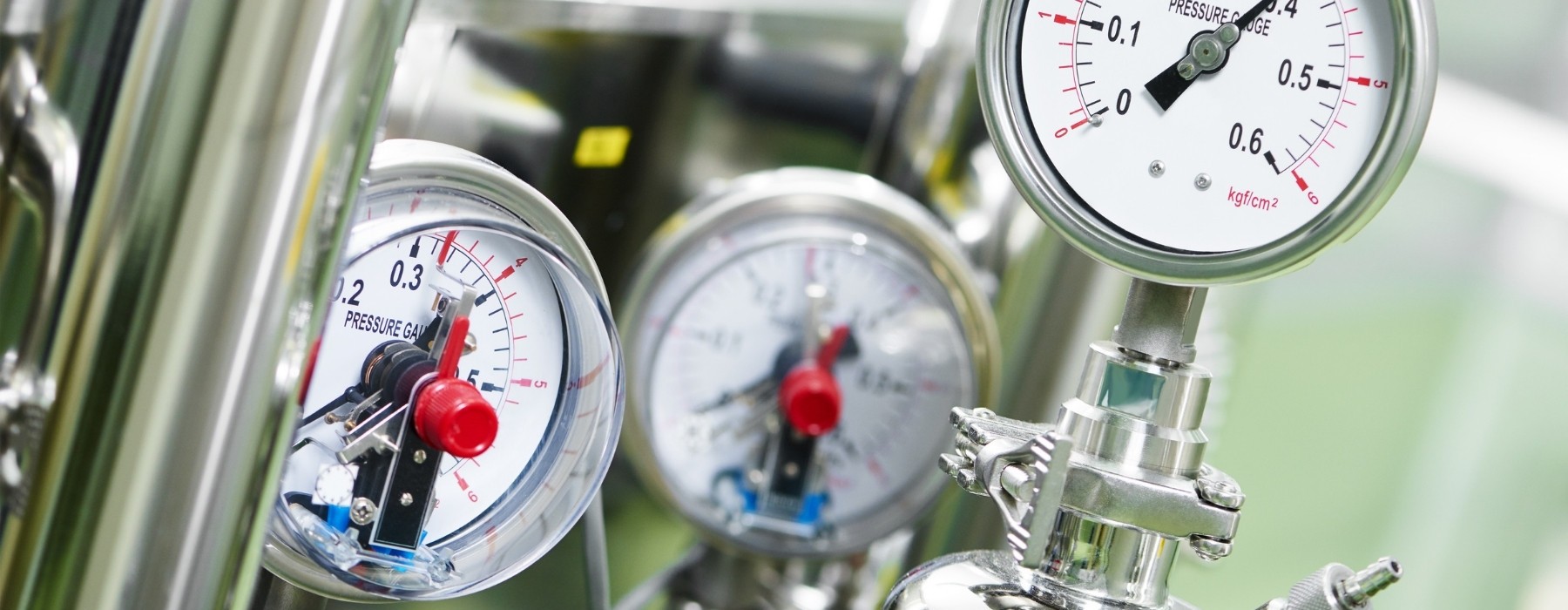
Process Temperature Control and Monitoring

Process applications require tighter temperature control than freeze protection. Setpoint accuracy of plus or minus 1 to 5 degrees Fahrenheit is common. Achieving that accuracy requires RTD-input controllers rather than line-voltage thermostats, PID control loops with parameters tuned to the specific application, setpoint logging for product quality documentation, and alarm and notification when temperature drifts outside acceptance bands.

For plants where temperature data is part of product quality documentation (food, pharmaceutical, specialty chemicals), our smart monitoring platform can provide continuous logging, audit-ready reports, and alarm notifications. See Smart Heat Trace Monitoring and Remote Management for the monitoring side.

Frequently Asked Questions

Freeze protection keeps pipe contents above the freezing point of water (32 degrees Fahrenheit). Process heating maintains a specific elevated process temperature, typically 100 to 400 degrees Fahrenheit or higher, for product quality and process operability reasons. The cable types, control strategies, and design calculations are different.

Common triggers include aging steam infrastructure (steam trap maintenance becoming costly), the need for tighter temperature control, plant modernization projects where new piping is being added, and energy efficiency goals. The economic case is project-specific. Our team can run a comparative analysis for your application.

Heat loss is calculated from pipe geometry, maintain temperature, insulation type and thickness, ambient conditions, and wind exposure (for outdoor installations). The calculation produces required wattage per foot, which determines cable selection. We run heat loss calculations as part of every process heating design project.

Yes. Heavy crude maintain temperatures of 140 to 200 degrees Fahrenheit are typical and well within the operating range of electric heat tracing systems. Cable selection (usually constant-wattage or mineral-insulated for higher temperatures) and insulation specification matter for these applications.

Self-regulating cable works to about 30 degrees Fahrenheit maintain. Constant-wattage cable extends to about 400 degrees Fahrenheit. Mineral-insulated (MI) cable can maintain temperatures up to 1,000 degrees Fahrenheit or higher depending on the cable construction. For very high temperature applications, MI cable or skin-effect heating is required.

Yes. Both are common applications in our project history. Caustic lines typically need maintain temperatures of 80 to 150 degrees Fahrenheit to prevent crystallization. Sulfur lines need 270 to 290 degrees Fahrenheit maintain with precise control to stay within the operating window.