

Industrial Freeze Protection and Winterization Programs for Gulf Coast Plants – Designed to Protect and Optimize

In February 2021, Winter Storm Uri caused an estimated $195 billion in damage across Texas. Industrial pipe failures accounted for a massive share of those losses. Plants that had treated freeze protection as a winter checklist watched their condensate lines split, their fire sprinkler risers fail, and their process units come down for weeks.

The plants that did not fail were not lucky. They had freeze protection programs, not freeze protection products. Pre-season audits scheduled before the cold front arrived. System certification documentation already filed with their insurance carriers. Priority response agreements with their heat tracing partner that put crews on-site before the temperature dropped.

That is the difference between a service and a program. And it is the model we built our Freeze Protection and Winterization Programs around for Gulf Coast industrial plants.
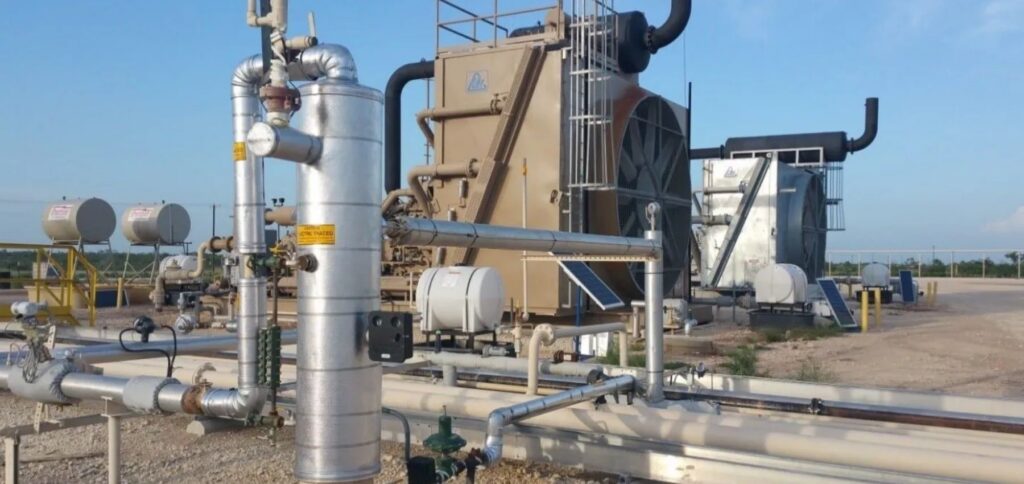
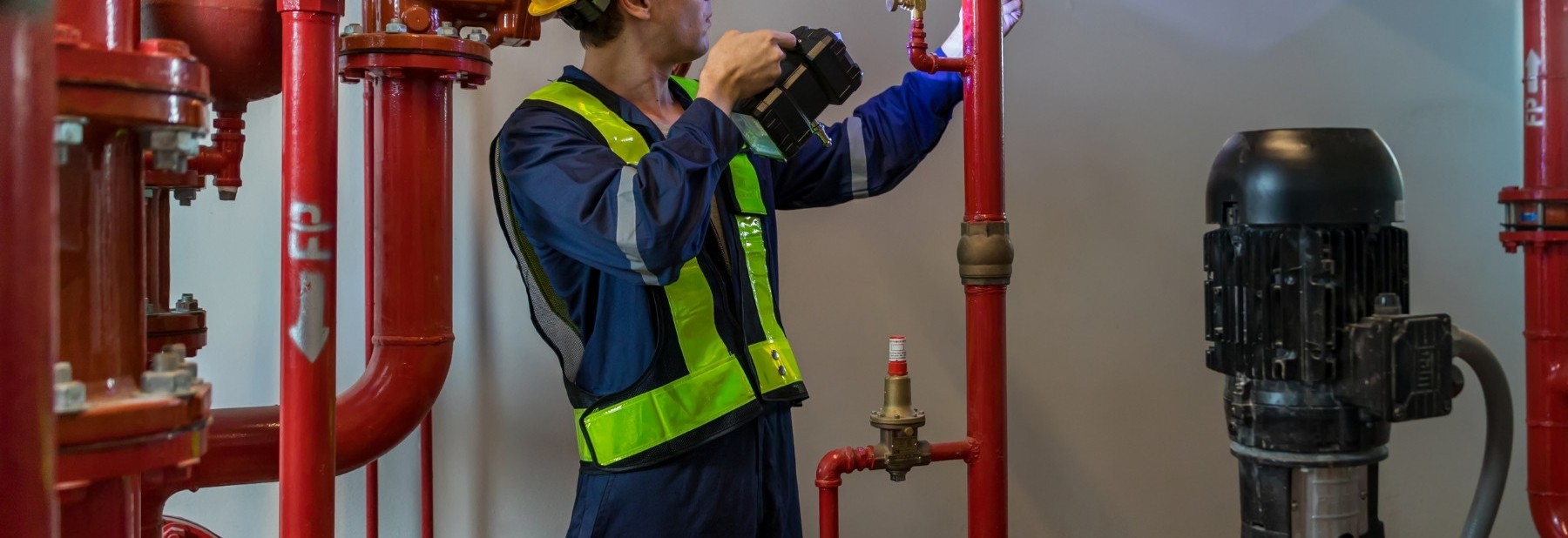
The Cost of a Freeze Failure: Why Winterization Is a Program, Not a Reaction

A WilsherCo Freeze Protection and Winterization Program is a year-round service contract structured around four components.

1. Pre-Season Readiness Audit (August through October)

Every program starts with a formal audit before the heating season. Our field team walks the plant circuit by circuit, run insulation resistance testing “meggering” on each cable, verify ground fault current readings, function-test thermostats and panel alarms, and identify any cable, splice, end seal, or controller that needs replacement before the first cold front.
The audit deliverable is a written report with circuit-by-circuit findings, a prioritized remediation list, and a budget estimate for the work. This is the document your plant uses to plan and approve fall remediation work.

2. Remediation and System Certification

Once audit findings are approved, we schedule the remediation work to complete before the heating season starts. Cable replacement, splice repair, controller swap-outs, panel rebuilds, and any expansion work needed to cover newly added piping.
After remediation, we issue a system certification document for each freeze-protected zone. The certification records the as-built configuration, the date of last megger test, the date of commissioning, and the operator who performed the work. This is the document insurance carriers and corporate risk teams want on file.

3. Priority Response Agreement for Freeze Events

When a freeze event is forecast, program members get priority dispatch. Our crews are pre-staged for plant-side response before the cold front arrives. If a circuit fails during the event, we are on-site within hours, not days.
Priority response is not a guarantee that nothing will fail. It is a guarantee that when something does fail, you are at the front of the queue.

4. Post-Event Upgrades and Documentation

After every significant freeze event, we conduct a post-event walk-down to identify circuits that operated correctly, circuits that came close to failing, and circuits that need to be rebuilt before the next event. The findings get folded into the next year’s audit cycle.
This is also where we document any product upgrades. After Uri, many Gulf Coast plants moved from line-voltage thermostats to RTD-controlled panels for tighter freeze protection. Our post-event report identifies which zones would benefit from those upgrades.

Pipe Freeze Protection: How Heat Tracing Stops Freezes

Pipe freeze protection works on a simple principle: add enough heat to the pipe to keep the contents above the freezing point of whatever fluid is inside. For water lines, that means above 32 degrees Fahrenheit (0 degrees Celsius). For process lines carrying acid or caustic, the practical maintain temperature is usually higher to prevent crystallization.

The heat is added by a heat tracing cable along a pipe’s length under the insulation. The cable produces a known wattage per foot, calculated to overcome the heat loss through the insulation at the lowest expected ambient temperature. A thermostat or temperature sensor controls when the cable is energized.

The most common cable type for freeze protection is self-regulating. Self-regulating cable adjusts its heat output automatically based on the surface temperature of the pipe. Where the pipe is cold, the cable produces more heat. Where the pipe is warm enough, the cable produces less. This makes self-regulating cable forgiving of installation errors and resistant to overheating, which is why it is the default choice for water and freeze-protection applications.

For higher-temperature freeze protection (above approximately 250 degrees Fahrenheit maintain temperature), constant-wattage or mineral-insulated (MI) cables are used. For very long runs (multiple miles of pipeline), skin-effect heating systems are sometimes specified.

Sprinkler System Freeze Protection (UL 515A and NFPA 13)

Fire sprinkler systems present a specific freeze protection challenge. A wet-pipe sprinkler system that freezes does not just stop working. It can fracture the piping and discharge water into the building when it thaws. This is why fire sprinkler freeze protection is governed by specific codes (NFPA 13 for sprinkler installation, UL 515A for the heating cables themselves).

A UL 515A-listed heat tracing system uses cables specifically tested for fire sprinkler service. The system has redundant temperature controls and ground fault protection per code. Documentation and installation records are required for fire marshal inspections.

We install and maintain UL 515A-listed sprinkler freeze protection systems for industrial and commercial facilities across the Gulf Coast region. If you are converting a wet-pipe sprinkler system to a freeze-protected configuration, or upgrading an existing freeze protection system to current code, our team can scope and execute the work.

Tank, Vessel, and Equipment Freeze Protection

Storage tanks, process vessels, and equipment skids freeze differently than process piping. The thermal mass is larger. The geometry is more complex. The heat input has to be distributed evenly to avoid hot spots.

Tank freeze protection typically uses one of three approaches. Tank base heating uses electric heating mats under the tank floor (for outdoor tanks at risk of base freeze or frost heave). Tank shell tracing uses self-regulating or constant-wattage cable run vertically up the tank shell, under insulation. Tank-side heating panels are used for smaller vessels and skid-mounted equipment.

WilsherCo - Freeze Protection & Winterization - Industrial heat tracing solutions

Water Line Freeze Protection: Industrial vs. Commercial

Industrial water line freeze protection and commercial water line freeze protection use the same basic technology but very different scopes. Industrial water lines are often part of a critical process (cooling water makeup, fire water, eyewash safety showers). A failure can shut down a unit or expose plant workers to safety violations.

Commercial water line freeze protection typically covers domestic water, building service piping, and roof drains. The economic stakes are smaller per failure but the regulatory exposure can be significant when commercial freeze damage interrupts public services.

Our program covers both. The audit methodology is similar. The remediation scope and the documentation requirements differ.

The Pre-Season Audit Process

Plants that have been running freeze protection for years often discover, the first time we audit them, that 5 to 15 percent of circuits are not actually working. The causes vary: failed end seals, cracked cable jackets, cut lines, drifted thermostats, controllers that have lost their programming, ground faults that the panel never reported.

For freeze protection programs specifically, the audit covers insulation resistance (megger) testing on every circuit; voltage and current verification under load; ground fault current measurement; thermostat and RTD function testing; panel alarm verification; visual inspection of cable, splices, end seals, and connection kits; insulation condition assessment (wet or damaged insulation kills heat tracing performance); and documentation review for code compliance.

Findings are categorized by Pass/Fail and and and repairs are prioritized by severity: critical (will fail this season), high (likely to fail in 1 to 2 seasons), medium (replace at next planned outage), and low (monitor). The remediation plan sequences work by criticality.

WilsherCo - How Texas Plants Have Upgraded

After Uri: How Texas Plants Have Upgraded

Several WilsherCo clients hardened their freeze protection systems after the 2021 Uri event. Common upgrade themes include tighter temperature control, adding ground fault detection per circuit so the panel reports which specific circuit faulted, upgrading end seals and splice kits (the most common cause of freeze protection failures during a cold event), and adding remote monitoring so plants can see system status from off-site, particularly valuable for plants with limited overnight staffing. For specific examples, see the case studies on our Resources page, including the West Texas compressor freeze protection project.

View Resources

Frequently Asked Questions

Audits should be completed between August and October. This window allows time for any remediation work to be scoped, approved, and installed before the first cold front. Plants that wait until November or later often run out of time to complete remediation before the heating season.

Freeze protection keeps pipe contents above the freezing point. Process heat tracing maintains a specific elevated process temperature (often 100 to 400 degrees Fahrenheit or higher) for product quality and viscosity reasons. The cable types, control strategies, and design calculations are different.

Program cost depends on the size of the plant, the number of heat trace circuits, the age and condition of the existing system, and whether priority response is included. Contact our team for a scoping conversation.

Most heat trace cables are not rated for fire sprinkler service. UL 515A-listed cables are specifically tested for sprinkler freeze protection and installed per NFPA 13 requirements. If your sprinkler system has heat tracing that is not UL 515A-listed, that is a code compliance gap worth addressing.

A complete winterization scope can include heat tracing, insulation inspection and repair, eyewash and safety shower freeze protection, lubricant viscosity checks for cold-weather service, and outdoor instrumentation freeze protection. Heat tracing is the largest scope item in most winterization budgets but not the only one.

Yes. Retrofitting existing piping is the most common scope of work in our freeze protection programs. Retrofit projects involve removing and replacing insulation in the heat-traced zones, installing the cable and accessories, mounting and wiring the controller, and recommissioning. Retrofit timing is best aligned with plant turnaround windows when possible.

Yes. Refineries and chemical plants have different priorities than power generation plants, which differ from food processing and commercial facilities. We adapt the audit and program scope to each plant’s specific risk profile and code environment.