Smart Heat Trace Monitoring and Remote Management for Industrial Plants

The plants that have run heat trace systems for decades treat heat tracing the way they treat any other plant utility: install it, walk away, and respond when it fails. Failures are usually discovered after a freeze event, after a process upset, or after an operator notices a circuit not warming up.

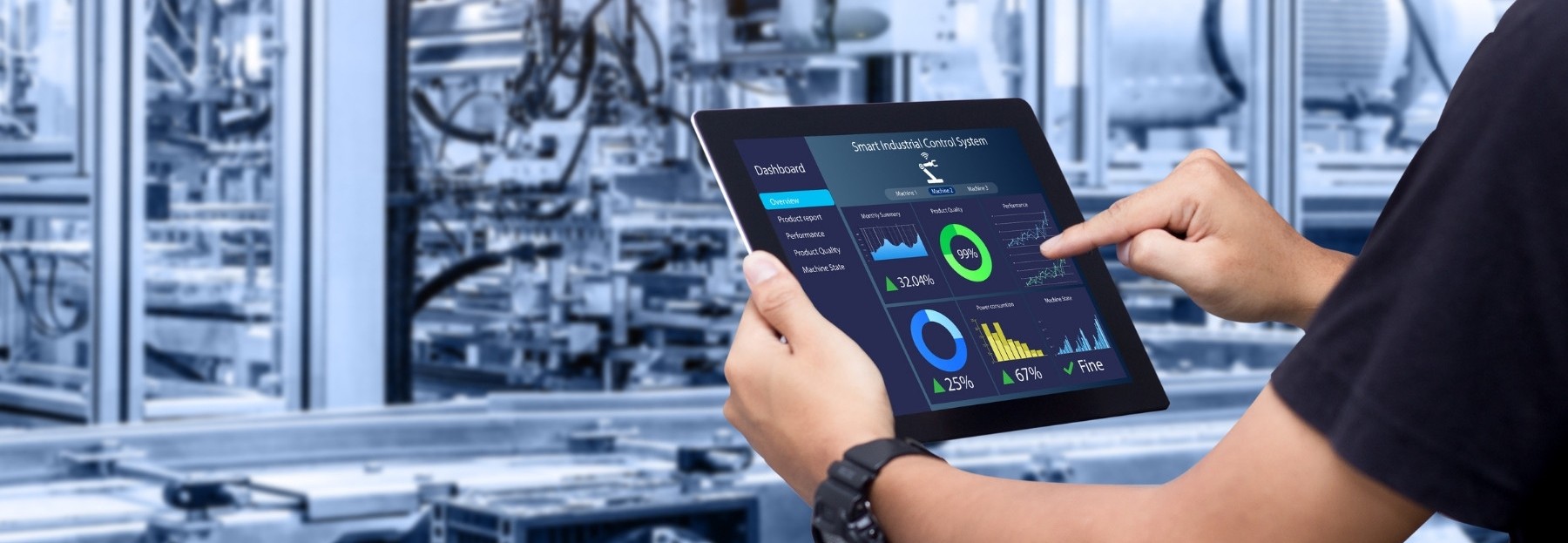
Smart Heat Trace Monitoring changes that operating model. Instead of finding out a circuit failed three days after the cold front, you get a notification when a setpoint drifts. Instead of dispatching a technician to read panel alarms once a week, the panels report continuously to a dashboard your operations team can pull up from any computer or phone.

This is not a different product. It is an operating layer on top of the heat tracing systems you already own. We retrofit existing systems and we install new ones with monitoring built in. The result is the same: you stop reacting to failures and start preventing them.
From Reactive Maintenance to Predictive Care

Heat tracing systems generate diagnostic data continuously. Voltage, amperage, ground fault current, controller setpoint, alarm state, internal temperature, communication health. The data is there. The question is whether you are doing anything with it.

In a reactive maintenance model, the data sits in the panel and is read manually during periodic inspections, if it is read at all. Failures are discovered after they cause an event.

In a predictive care model, the data is streamed to a monitoring platform that alerts you when readings drift outside normal patterns. You see amperage start trending down weeks before the cable fails. You see the controller setpoint drift before the temperature falls out of bandwidth. You see the ground fault current creeping up before it crosses the alarm threshold.

This is the operating model that has driven major plant equipment monitoring (rotating equipment, transformers, instrument health) for years. Heat tracing has been late to adopt it because the dollar cost of any single circuit is low. The cost of a missed circuit during a freeze event however, is not.

What Smart Heat Trace Monitoring Includes

Our Smart Heat Trace Monitoring service is built around four components.

WilsherCo - Remote Dashboard

Remote Dashboard

A web-based dashboard accessible from any browser shows the real-time status of every connected circuit. Panels and circuits are displayed by location, system, or zone (configurable to match your plant nomenclature). Operators can drill from the plant overview into a specific circuit to see voltage, current, temperature, and alarm history. The dashboard is read-only by default for safety. Configuration changes are made at the panel by trained personnel.

WilsherCo - Alarm Notifications by SMS, Email, and DCS Integration

Alarm Notifications by SMS, Email, and DCS Integration

When a circuit alarms, the platform pushes notifications to the configured contacts: SMS to on-call personnel, email to maintenance distribution lists, DCS message into the plant control system, or any combination. Notification logic is configurable by alarm type, severity, time of day, and on-call schedule. Alarms include circuit-level conditions (low temperature, high temperature, low current, high ground fault) and system-level conditions (panel offline, communication loss, controller failure).

WilsherCo - Predictive Analytics and Monthly Health Reports

Predictive Analytics and Monthly Health Reports

The platform analyzes historical data to identify circuits that are trending toward failure even when they have not yet alarmed. Common patterns: gradual amperage value decline (cable degradation), gradual ground fault current increase (insulation moisture intrusion), thermostat drift (calibration loss), and decreased temperature recovery time (insulation degradation or cable damage). Each month, we deliver a system health report summarizing the previous 30 days: circuits that alarmed, circuits trending toward issues, recommended remediation actions, and overall system condition rating. The report is the document your maintenance planning team uses to schedule preventive work.

WilsherCo - Predictive Maintenance Scheduling

Predictive Maintenance Scheduling

The platform integrates with plant maintenance management systems (CMMS) to generate work orders for preventive maintenance based on actual circuit conditions, not on a fixed calendar. Circuits in good health get fewer scheduled inspections. Circuits trending toward issues get more attention before they fail. This shifts maintenance spend from calendar-based routine work to condition-based actual work. For plants with thousands of heat trace circuits, the labor savings can be substantial.

Retrofit vs. New Install: Adding Monitoring to Existing Systems

Most plants ask the same question first: do we have to replace our existing heat trace panels to add smart monitoring? The answer is usually no.

For existing control panels, we retrofit by adding a communication module that reads circuit status from the panel and pushes data to the monitoring platform. The panels keep operating. The retrofit work is typically a few hours per panel.

For existing SSR controller-based panels (RTD-input, PID-controlled), retrofitting is even simpler. Most modern controllers have native communication ports (Modbus, BACnet, or proprietary) that can be connected directly to the platform with minimal hardware additions.

For new heat trace installations, monitoring is integrated into the panel design from the start. Our Turnkey Heat Tracing Design-Build projects can include monitoring integration as part of the standard scope.

If your existing panels are pre-2000 in-line or contactor type thermostats with no communication capability and no panel labeling, a retrofit may not be cost-effective. In those cases, the path forward is usually a planned panel replacement aligned with the plant’s capital cycle, with monitoring designed into the new panels from day one.

Compatible Platforms

We are vendor-neutral on monitoring platforms. The platforms we work with most often:

  • Chromalox EMS: ties cleanly to Chromalox controllers (ITC, ITAS, ITLS, FPAS, FPLS lines). The natural choice for plants with large Chromalox heat trace footprints.
  • RAYCHEM NGC-30: integrates with the RAYCHEM/nVent controller line (NGC-30, NGC-40). Common at plants with installed RAYCHEM heat trace history.
  • Thermon Genesis Network: ties to Thermon controllers and panels. Useful at plants with Thermon installations.
  • Generic Modbus or BACnet: works with any controller that exposes data through standard industrial protocols.

Most plants do not have a single-vendor heat trace fleet. The monitoring platform should support whatever is installed. Our team scopes the platform to fit the plant, not the other way around.

WilsherCo - vendor-neutral on monitoring platforms

Monitoring + Audits = Lifecycle Management

Smart monitoring is most valuable when paired with periodic formal audits. The monitoring platform sees real-time conditions and trends. The audit verifies the underlying physical condition of cable, splices, end seals, and panels. Together, they cover the full lifecycle of a heat trace system.

A typical lifecycle program looks like this: annual pre-season audit, continuous monitoring through the heating season, monthly health reports during peak season, quarterly health reports during off-peak season, and post-event audit after any significant freeze event or process upset.

The output is a heat trace system that is documented, monitored, and continuously improving. The plants that operate this way rarely experience the catastrophic freeze failures that drive insurance claims and unplanned downtime.

Frequently Asked Questions

Most existing systems can be retrofitted without panel replacement. For SSR controller-based panels, we add a communication module to read circuit status. For controller-based panels, we connect to existing communication ports. Pre-2000 in-line or contactor thermostat systems with no communication capability typically need panel replacement, which can be done as part of a planned capital cycle.

We work with Energy Management System (EMS), RAYCHEM NGC-30 / NGC-40, Thermon Genesis Network, and any controller with standard Modbus or BACnet output. We are vendor-neutral on platform choice.

The monthly report covers circuits that alarmed during the period, circuits trending toward issues, recommended remediation actions, and overall system condition rating. It is the document maintenance planning teams use to schedule preventive work.

Predictive maintenance identifies circuits trending toward failure weeks before they fail. Catching a cable’s current degrading through a trend instead of through a winter event lets you replace the cable on a planned schedule, with budgeted spending, instead of as an emergency at premium pricing.

No. Monitoring sees real-time conditions and trends. Audits verify the underlying physical condition of the heat trace system including insulation, cable, splices, end seals, and panels. The two are complementary. We recommend pairing continuous monitoring with an annual formal audit for full lifecycle coverage.